
Wisdom Teeth Removal Near You
The third molars are often referred to as the “wisdom teeth.” They typically start to appear when a person is between 17 and 24 years old. Sometimes they come in partially or sideways, and for many people, they become impacted because of the limited space in the back of the mouth. Once a tooth becomes impacted or the teeth are too crowded, bacteria can collect in gaps and lead to serious infections. When any of these situations occur, the wisdom teeth removal near you might be what you need.
Problems Commonly Associated with Misaligned Wisdom Teeth
-
Gums that become swollen and painful
-
Become infected
-
Surrounding teeth become crowded or damaged
-
Possible damage to nerves and the jawbone
How does wisdom teeth extraction work?
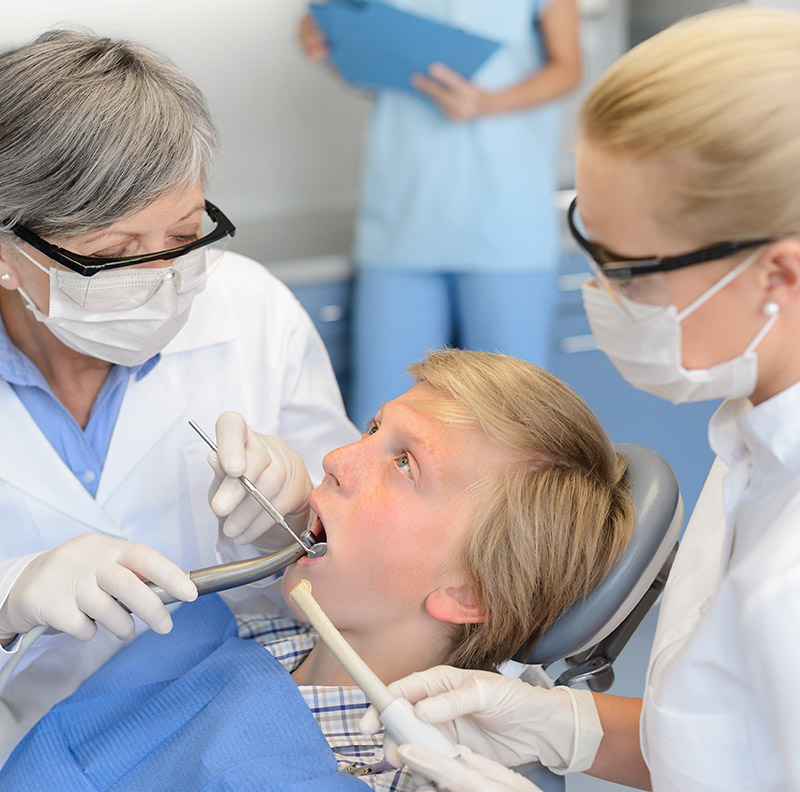
Dentists work closely with patients to make the procedure for wisdom teeth removal in Newmarket as comfortable as possible for each patient. An anesthetic will be applied to the wisdom teeth and the gums and tissues in the surrounding areas. Once the area is completely numb, the wisdom teeth are removed. Patients can also opt for sedation dentistry to help aid them in being comfortable during the procedure.
After the Wisdom Teeth Extraction
Oftentimes, a patient will have some bleeding and swelling following the procedure. Gauze can be applied to any area that is bleeding, and ice can be used to reduce any swelling. Oftentimes, the dentist will prescribe pain medication to help manage pain while the mouth heals. The patient will need to eat soft foods and drink cold liquids for about 24 hours following the procedure and avoid brushing the back teeth for at least 24 hours.
Frequently Asked Questions
What is wisdom teeth removal?
Wisdom teeth removal is a procedure to take out your third molars, usually when they cause pain or crowding. It helps prevent future dental problems and maintain oral health.
Is the procedure painful?
You’ll receive anesthesia or sedation, so you shouldn’t feel pain during the surgery. Some mild discomfort or swelling afterward is normal and manageable with medication.
How long is the recovery period?
Most people recover within a few days to a week, with full healing taking a couple of weeks. Following post-op care instructions helps speed up recovery.
Are there any risks or complications?
Complications are rare but can include infection, swelling, or temporary numbness. Your dentist or oral surgeon will guide you to minimize risks and ensure safe healing.