
Enjoying an iced coffee or taking a sip of ice water should be revitalising rather than uncomfortable. You’re not alone if every time you consume a cold beverage, you get a sudden, acute jolt in your mouth. The only way to identify the underlying source of this discomfort and safeguard your mouth is to consult a dentist in Newmarket. When your teeth’s shielding outer layer deteriorates, and the sensitive internal tissues are exposed to temperature fluctuations, tooth sensitivity develops. You can also take care of your oral health and find relief by understanding why this occurs.
For patients suffering from chronic discomfort, professional Tooth Desensitization in New Market offers a fast, non-invasive way to block painful sensations and restore everyday comfort.
Why Cold Drinks Cause Tooth Pain
Dentin is the layer that sits behind your teeth’s strong, white enamel. Thousands of tiny tubules found in dentin go straight to the nerve centre of the tooth. Cold liquids pass through these tubules as gums recede or enamel wears away, causing an acute nerve reaction.
Typical Reasons for Tooth Sensitivity
Gum recession or tooth erosion can be caused by a number of common factors:
- Aggressive Brushing: Using a toothbrush with rough bristles or applying excessive pressure can damage gum tissue and destroy tooth enamel.
- Acidic Diet: Frequent consumption of soda, citrus, wine, and coffee gradually dissolves teeth.
- Teeth Grinding (Bruxism): Your teeth experience extreme stress when you clench or grind them at night, which can lead to microcracks.
- Gum Recession: Gums may recede due to ageing or periodontal disease, exposing delicate tooth roots.
- Cracked Teeth or Failing Fillings: Cold liquids can quickly reach the deep interior of the enamel when there is structural damage.
How Professional In-Office Treatment Helps
Mild cases can be treated with over-the-counter desensitising toothpaste, but chronic pain necessitates specialised medical attention. Locating a caring dentist near Bogarttown guarantees a comprehensive examination to rule out fractures or caries.
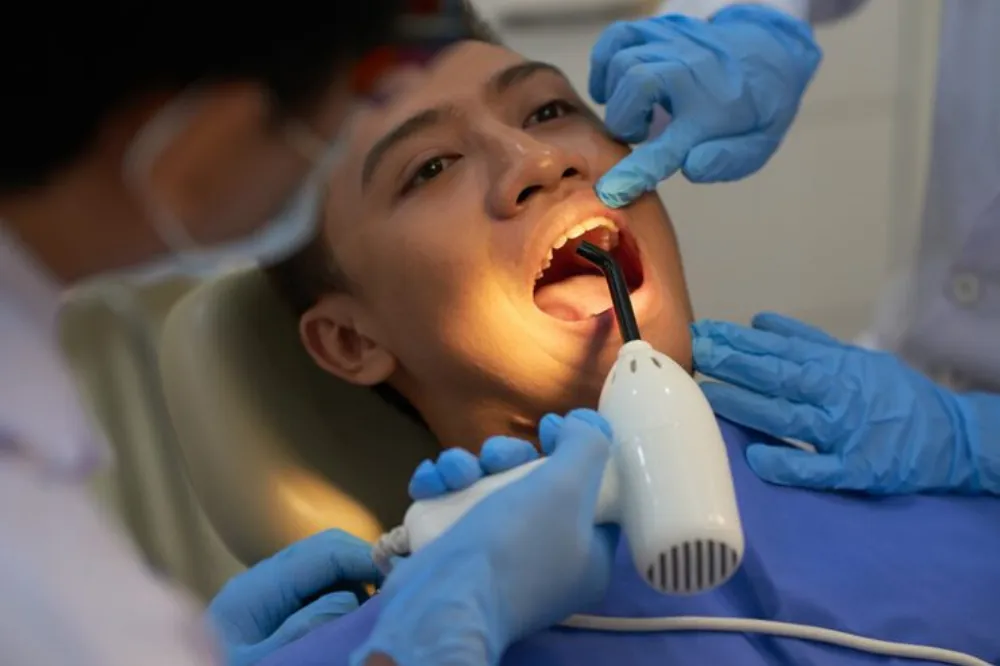
Your dental team can use specialised fluoride varnishes, bonding agents, or desensitising seals if you visit a reputable dental clinic near you. By blocking the exposed tubules, these therapies prevent cold impulses from reaching the nerve.
Take Action for a Pain-Free Smile
Every time you drink a cold beverage, you don’t have to endure excruciating agony. In addition to protecting your teeth from further enamel degradation, modern dental procedures can promptly restore your comfort.
If you are ready to enjoy your favorite foods and drinks without pain, today to schedule your consultation.
Frequently Asked Questions
How long does professional tooth desensitization last?
In-office desensitizing treatments can provide relief for several months to a year or more, depending on your oral hygiene habits and diet.
Can tooth sensitivity go away on its own?
While minor sensitivity due to temporary inflammation may resolve, persistent soreness usually suggests tooth loss or gum recession that requires clinical treatment.
Is tooth desensitization painful?
No, the application process is completely painless, quick, and non-invasive, requiring no drilling or anesthesia.
Does whitening toothpaste make tooth sensitivity worse?
Yes, many whitening toothpastes contain abrasive particles or bleaching agents that can aggravate sensitive teeth and wear down enamel over time.