
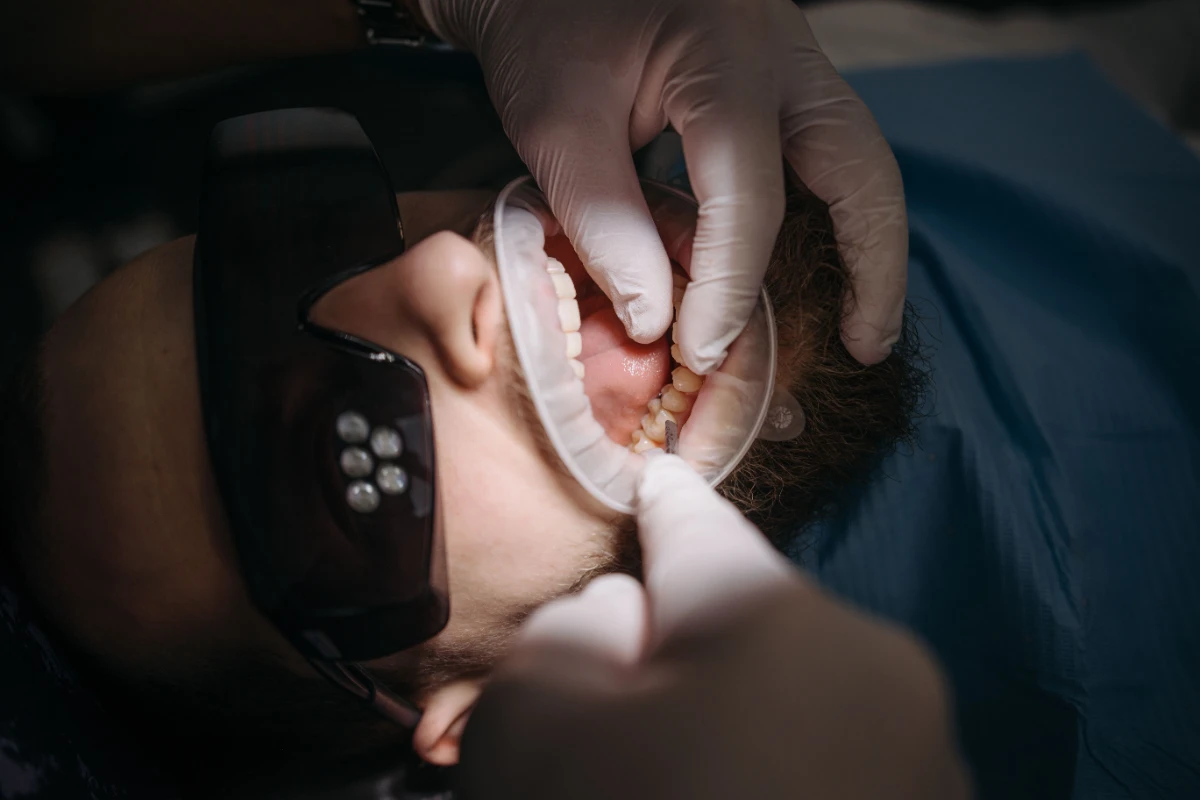
Periodontal treatment helps treat gum disease by removing plaque and hardened tartar from the teeth and below the gums. One common treatment is scaling and root planing, a deep cleaning that removes plaque and tartar from the teeth and smooths their roots to help the gums heal. This treatment can reduce swelling and help control gum disease before it damages the gums and bone that hold your teeth in place. If your gums bleed, look swollen, or you have bad breath that does not go away, early treatment can help stop the problem from getting worse. Understanding periodontal therapy in Newmarket can help you know when deep cleaning may be needed and what to expect during treatment.
What Causes Gum Disease?
Gum disease starts when plaque, a sticky layer of bacteria, builds up on the teeth. If you do not clean it well, it can harden into tartar. Brushing alone cannot remove tartar, so a dentist needs to clean it.
Common signs and risk factors include:
- Red, swollen, or tender gums
- Bleeding while brushing or flossing
- Ongoing bad breath
- Gums pulling away from the teeth.
- Smoking or tobacco use
- Diabetes that is not well-controlled
- Difficulty cleaning around crowded teeth or dental work
In its early stage, gum disease is called gingivitis. Without proper care, it may progress to periodontitis, which can damage the tissues and bone supporting the teeth.
How Scaling and Root Planing Treats Gum Disease
Scaling and root planing is a deep cleaning used when plaque and tartar have collected below the gumline. It helps remove the source of irritation and gives the gums a better chance to heal.
The gum disease treatment has two main parts:
- Scaling: Plaque and tartar are removed from the teeth, including areas beneath the gums.
- Root planing: The root surfaces are cleaned and smoothed to remove remaining deposits and facilitate gum tissue healing.
- Local anaesthesia may be used to make the treatment more comfortable, especially when the gums are tender or the buildup is deep. Depending on the amount of buildup and the areas affected, treatment may be completed over multiple visits.
A dentist in Newmarket can assess gum health, measure the spaces between the teeth and gums, and determine whether scaling and root planing are suitable.
What Happens After Deep Cleaning?
Some tenderness, mild bleeding, or sensitivity to hot and cold foods may occur after treatment. These effects usually improve as the gums heal.
To help your gums heal:
- Brush gently with a soft toothbrush.
- Clean between your teeth as your dentist advises.
- Follow your dentist’s advice on pain medicine or mouth rinses.
- Avoid smoking because it can slow healing.
- Contact your dental team if pain, swelling, or bleeding gets worse or does not improve.
The gums may become less swollen and bleed less as inflammation improves. However, deep cleaning cannot always reverse damage caused by advanced gum disease. Further care may be needed if deep gum pockets remain.
Preventing Gum Disease From Returning
Good daily care helps keep plaque under control and protects your gums. Brush your teeth twice a day with fluoride toothpaste and clean between your teeth every day. Visit your dentist regularly to check for plaque and tartar buildup.
After deep cleaning, periodontal maintenance may be recommended. These follow-up visits allow the gums to be checked and plaque or tartar to be removed before they cause further damage. The timing depends on the severity of the gum disease and how well the gums respond to treatment.
If you need periodontal therapy in Newmarket, a dental clinic near you can assess your gums and help plan the right care for your needs.
Give Your Gums the Attention They Deserve
Healthy gums play an important role in keeping your teeth strong and supporting your overall oral health. If you have noticed bleeding while brushing, gum tenderness, or ongoing bad breath, a dental assessment can help identify the cause before the problem becomes more serious. Contact Keep 28 Dental Centre to schedule an appointment, learn which treatment options may suit your gum health, and get guidance on maintaining your results with regular care and follow-up visits.
FAQs
Is scaling and root planing painful?
The dentist may numb the area to help reduce pain during treatment. Your teeth and gums may feel sore or sensitive afterward, but this usually gets better within a few days.
How many visits are needed for deep cleaning?
The number of visits depends on the amount of tartar present and the number of areas needing treatment. Some people need separate appointments for different parts of the mouth.
Can scaling and root planing cure periodontitis?
It can help control periodontitis by removing plaque and tartar below the gums. However, advanced damage may not fully heal, so ongoing care and monitoring are important.
Is a gum infection always painful?
No. Gum disease can develop without noticeable pain. Bleeding, swelling, persistent bad breath, or gum recession may be signs that an assessment is needed.