
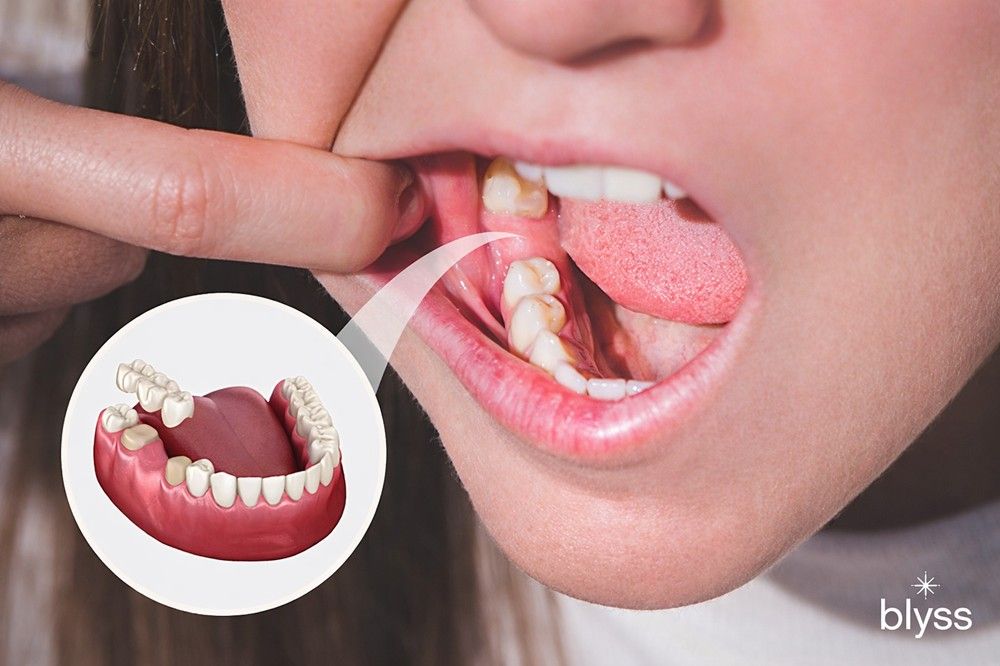
Are missing teeth and having loved ones not affecting your smile? Many individuals find that dental bridges in Newmarket provide a practical, durable solution. A dental bridge is a popular dental treatment that uses the adjacent teeth to support the false tooth. Understanding what a dental bridge is, when it is needed, and the cost and benefits of a dental bridge may help you make the right choice.
When a tooth or several teeth are missing, it’s easy for surrounding teeth to shift out of position, leading to bite problems, difficulty chewing, and even jaw pain. An emergency dentist can address urgent issues, but for planned replacements, a dental bridge provides a functional and aesthetic solution.
What Is a Dental Bridge?
A dental bridge is a restoration that replaces missing teeth and restores a smile. Usually, the bridge is formed of.
- Pontic: An additional tooth that helps close the gap.
- Abutment Teeth: These are the healthy teeth or implants on each side of the gap that hold up the dental bridge.
The bridges can be made from strong materials like porcelain, ceramic, or metal. It guarantees that your teeth get aligned in the long term.
When is a Dental Bridge Needed?
It is necessary to learn when a dental bridge is needed for oral health. They usually recommend the dental bridge.
- Replacing one or more teeth that are missing in a line.
- Uncomfortable when chewing or speaking a word.
- Keeping adjacent teeth in place in the gap.
- It’s essential in maintaining facial architecture and jaw position.
A dentist can examine your teeth and determine if a bridge is the right option based on your oral health, bite, and overall dental needs.
Benefits of Dental Bridges
- Restore smile and confidence: Bridges fill gaps and give you a natural-looking smile.
- Better chewing and talking: Bridges help you eat and speak more easily.
- Keep teeth in place: Filling the gap stops nearby teeth from moving out of position.
- Long-lasting: With proper care, dental bridges can last many years.
- Comfortable solution: Unlike removable dentures, bridges are fixed and feel more like natural teeth.
Visiting a dentist near you helps you understand which type of bridge fits your oral health and aesthetic goals.
Types of Dental Bridges
Dental bridges come in several forms, each suited for different dental situations:
| Bridge Type | Description | Best For |
| Traditional | Pontic supported by crowns on adjacent teeth | Most common, ideal when neighboring teeth are strong |
| Cantilever | Pontic supported on one side | For gaps at the end of the dental arch |
| Maryland | Pontic bonded to adjacent teeth using metal or porcelain framework | Less invasive option, preserves natural teeth |
| Implant-Supported | Pontic attached to dental implants | Suitable when adjacent teeth cannot support a bridge |
Your dentist in Newmarket will help decide the type of bridge that best suits your teeth and lifestyle.
Caring for Your Dental Bridge
Proper care is essential to maintaining your bridge’s longevity. Key care tips include:
- Brush your teeth twice daily with fluoride toothpaste.
- Using floss threaders for bridge flossing.
- Use an antimicrobial mouthwash to lower plaque.
- Staying away from hard foods that can harm the bridge.
- Going to your Windsor dental clinic for regular check-ups.
With consistent care, a dental bridge can last 10–15 years or longer, maintaining both function and appearance.
Secure Your Dental Bridge – Plan Your Visit Today!
Dental bridges are an effective, durable, and natural-looking option for replacing missing teeth. They’re for storing your smile, improving chewing, and helping maintain dental health. If you’re considering a solution for missing teeth, a consultation at Keep28 Dental Centre can help you explore your options and plan your treatment. Book your consultation today and take the first step toward a healthy, complete smile!
FAQs
Can an implant bridge replace multiple teeth?
Yes. A bridge can replace one or several missing teeth if healthy teeth or implants are available to support it.
Is the dental bridge painful?
Most patients hardly feel pain. During tooth preparation, local anesthesia is used, and discomfort usually resolves quickly.
For how long do bridges last?
With correct dental hygiene and routine examinations, bridges will last 10–15 years or longer.
Can a ridge prevent further tooth loss?
While bridges restore missing teeth, maintaining good oral care is crucial to protect remaining teeth and gums from decay or damage.