
Dental Cleaning & Scaling Near You
Most dentists recommend scheduling two regular exams each year. Part of the regular exams will include routine dental cleaning & scaling in Newmarket. There are times when a hygienist will provide a professional cleaning for your teeth, and other times they will do a deeper clean called scaling.
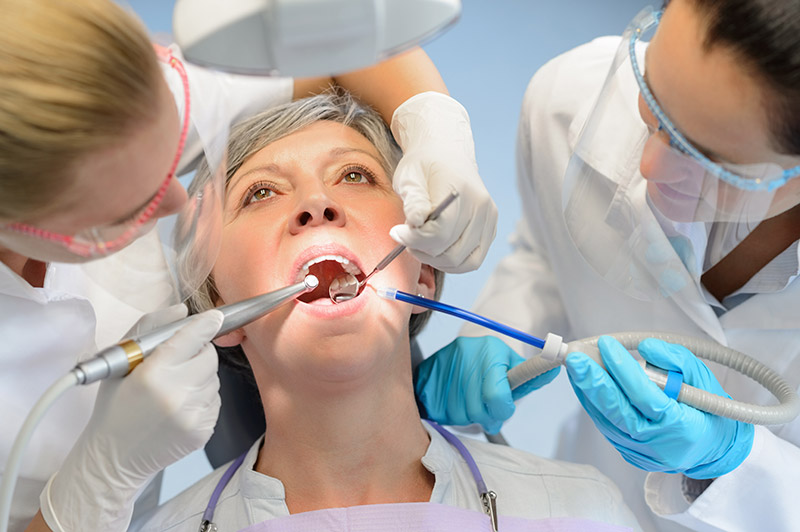
Routine Teeth Cleaning
Regular cleaning provides general maintenance to keep the gums and teeth healthy. During a routine cleaning, the spaces that exist between the gums and teeth will be carefully cleaned. This gentle cleaning will remove any bacteria and tartar that have built up.
Scaling and Deep Cleaning
Scaling, or deep cleaning, is necessary if there is a large amount of bacteria or tartar buildup under the gums. This usually occurs if there are deeper spaces between teeth and gums. When these “pockets” form, they can hold bacteria and tartar. Patients who do not have their teeth cleaned often or those who do not observe good oral hygiene habits may be at risk for developing gum disease.
How does the dentist decide?
A dental professional will choose the type of cleaning that is needed when he performs routine examinations. He can tell what level of cleaning is needed based on how deep the spaces are between the teeth and gums. The dentist will rate the depth of the pockets by using gum measurements. The lower the number, the less deep cleaning is needed.
Why are Cleaning and Scaling Important?
Dental cleaning & scaling near you are important preventive measures that can help reduce your risk of gum disease or other oral conditions. By visiting the dentist regularly, teeth can be cleaned appropriately to avoid developing periodontal disease by preventing the buildup of tartar. When tartar is not controlled, the gums can become inflamed and lead to serious gum disease requiring extensive treatment to correct it. Cleaning and scaling are important for preventing it from occurring.
Expert Dental Cleaning & Scaling in Newmarket!
If you’re looking for dental cleaning & scaling near you, we’re here to help. Call Keep 28 Dental Centre today at (905) 853-3728, and our friendly staff will guide you through every step, answer your questions, and ensure you receive gentle, thorough care for a healthy, sparkling smile.
Find our dental clinic easily on Google Maps and get directions in just one click. 📍
Frequently Asked Questions (FAQs)
What is dental cleaning and scaling?
Dental cleaning removes plaque and tartar from your teeth, while scaling targets hard deposits below the gum line to prevent gum disease.
How often should I get scaling done?
Most patients benefit from a cleaning every six months, but your dentist may recommend more frequent scaling if you have gum issues.
Is scaling painful?
Scaling may cause mild discomfort, but your dentist uses gentle techniques and numbing options to keep you comfortable.
What are the benefits of regular cleaning and scaling?
It helps prevent cavities, gum disease, and bad breath while keeping your smile healthy and bright.